
 Fast Delivery
 Made To Measure
 Customer
Support
Customer
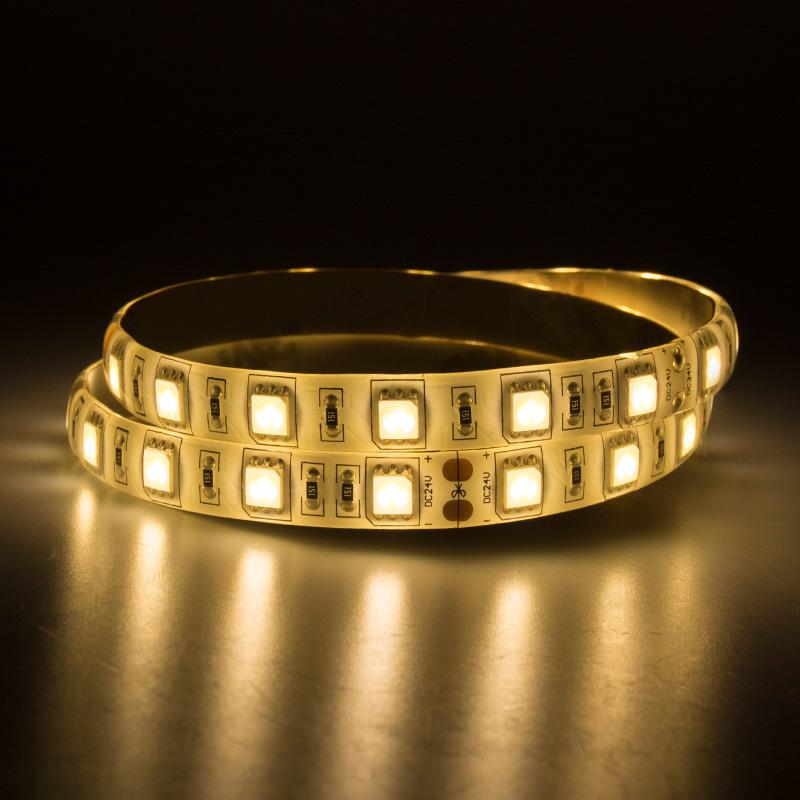
Support| Congratulations – you’ve made the choice to install LED strip lights, however, if this is something new to you, you may well find it a little daunting. Installing anything electrical can be tricky, but with innovative self-adhesive LED tape, it’ll be a breeze! Here at Arc LED, we offer a wide collection of commercial grade, IP or non IP rated, warm white, colour changing and CCT strip lights and more to suit all interiors. There are so many options when it comes to lighting, however, we believe LED strip lighting is a must-have for modern homes and businesses. |
| Now you’ve made the choice to use this style of modern lighting, we thought we would lend a helping hand to help you feel confident when installing – or just get a better idea about LED strip lights. |
 |  |  |
If you aren’t a professional, we always recommend considering hiring an electrician to help you install your LED lights. This will ensure they have been installed correctly and safely with all the right products, available at Arc LED.
However, if you do have the knowledge to install lights and want to learn more about LEDs specifically, our team of experts have answered all your FAQs.
What is the best way to put up LED lights?
The first step in putting up your LED lights actually takes us back to the planning stage. Make sure to carefully measure your space to get it right the first time. We recommend placing your LED lights inside a profile as this protects them from dust and debris while acting as a heat sink, ensuring your lights stay working for longer. We like to attach LED profiles using mounting clips for a secure yet smooth finish.
How to connect LED lights to mains in the UK?
To connect your LED lights to the mains in the UK, you will need to make sure they are the correct voltage. You are likely to need a transformer to make sure you are supplying your LEDs with the correct voltage. LED lights are usually available in 24v or 12v so make sure to get suitable accessories for your chosen LEDs. If you are covering a large distance, 24v helps the light output to remain even throughout the strip. If you are lighting a smaller space, 12v will be plenty and will ensure your lights are even cheaper to run. LED strips usually have a positive and negative output to be connected correctly to the transformer. The transformer can then be connected to the mains electricity, which in the UK uses brown for live, blue for neutral and green/yellow for earth.
Do LED lights need special fittings?
Depending on the LED lights you choose will depend on the fittings you need. LED equivalents of halogen bulbs are available with the same fixtures. If you opt for an LED strip, they are often available in standard widths to make sure they fit your profile, ensuring they are easy to replace. It is good to check that your chosen LED lights are dimmable if you would like to use this function.
Are LED lights easy to install?
LED lights are easy to install if you have a basic knowledge of the wiring they use. Often, if you are installing LED strip lights from scratch, you will need to wire in the transformer and any controllers. You can then install the lights inside a profile. If you are unsure about this process, we recommend hiring a professional to install your LED lights.
Tips for installing LED lights on a wall
How to install LED strip lights on a wall?
To install your LED strips on a wall, use profiles and mounts to securely fasten your LED strips. If you are covering a large wall, you may need to join LED strips together to extend the reach and likewise for the profiles. If you want to conceal your LED strip lights on your wall, plan ahead and use plaster-in profiles so your lights sit flush to your wall.
How to install LED strip lights on a ceiling?
Similarly, you can use profiles to install LED strip lights on a ceiling. Some designers opt for coving or cornices that house LEDs while others prefer to make a prominent design feature of the LED strip lights by creating a shape in the ceiling such as a rectangle. Use mounts to securely fasten your LED profiles to the ceiling or opt for plaster-in profiles.
How to install LED strip lights on wall corner?
There are two ways to install LED strip lights on a wall corner. The first is to choose a bendable LED strip that has the ability to bend to the angle you need. Make sure to check the product specifications to ensure you are only bending your LED strips in the intended direction and at a suitable angle. Alternatively, you can cut your LED strip at the corner and place another strip along the next wall, using an angled connector to join them. Our LED strips are made to measure so you can get the right size for your space.
How to install LED strip lights on TV?
LED strip lights placed behind a TV can give a very effective ambience to your viewing or gaming experience. Make sure you know where you will be placing your TV and design your LED strip lights around it or slightly behind it. Make sure your TV and LEDs aren’t getting overheated. Some types of LEDs can be installed directly onto the back of the TV. Make sure to check the specifications of your product.
Tips for installing LED lights in bathroom
Make sure to turn off the electricity before starting to install your LED lights. In a bathroom, you need to take extra care due to the wet environment. Make sure to only use products that are waterproofed to a high rating. There are two types of waterproof products – one is splashproof, while the other is waterproof. No matter where in your bathroom you are placing your LED lights, make sure to use the waterproof strip lights as it is a damp environment. Make sure any other items you use are suitable for use in the bathroom too, such as profiles, controllers, connectors and transformers.
How to install LED strip lights outdoor?
To install LED strip lights outdoors, make sure to use appropriate products that can withstand the elements. You will need the highest waterproof rating as well as suitable profiles and accessories to ensure you are safely installing your LED strip lights.
How to install LED strip lights on house?
Again, if you are installing your LED strip lights outside, make sure everything you use has a suitable waterproof rating. Even if you think your LED strips will be covered by a porch roof or similar, it is best to install a fully waterproof setup. Use profiles and mounts – you may need to upgrade your mounts, depending on the type of outside wall you are screwing them into.
If you need extra help, you can contact the ArcLED team for advice and information about our products. We will be happy to help with your project and can also offer a made to measure service on many of our products, including LED strips, to help you get the perfect size for your space.